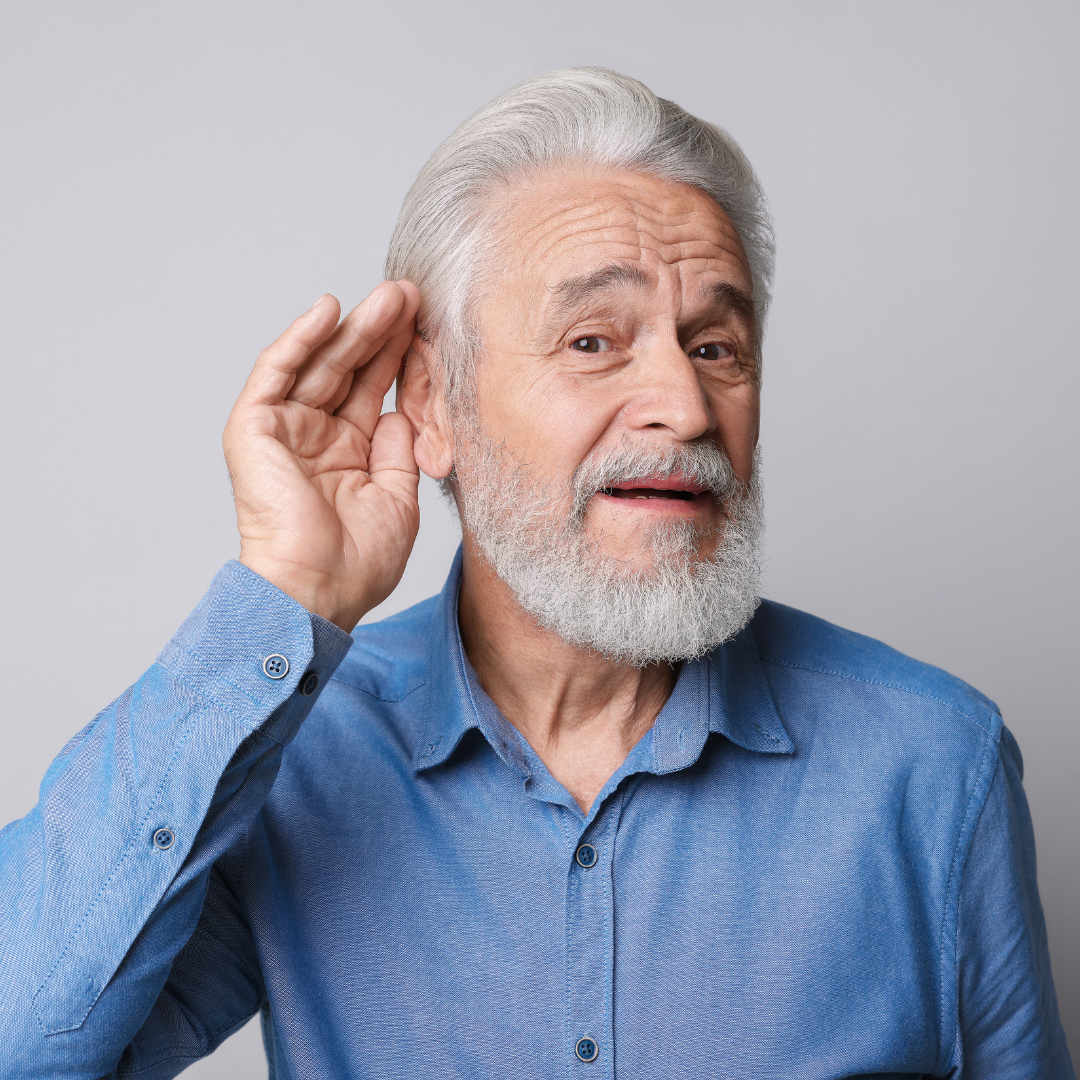
A sudden drop in hearing in one ear can be frightening and may leave those experiencing it unsure of their next steps. We provide immediate hearing assessments and coordinate urgent medical intervention when an acute auditory decline occurs. An acute sudden hearing loss demands prompt evaluation by an audiologist or ENT physician to initiate time-sensitive medical care or auditory rehabilitation.
Understanding Sudden Hearing Loss as a Time-Sensitive Emergency
Yes, it is. Sudden hearing loss in one ear should be treated as a medical emergency, particularly when it develops within hours or over a few days. Sudden sensorineural hearing loss, colloquially known as sudden deafness, compromises the sensory hair cells of the inner ear or the auditory nerve. It often occurs without pain and may be mistaken for congestion or a plugged ear.
Typical warning signs include:
- A rapid decrease in volume or clarity on one side
- Struggling to decipher telephone conversation when holding the receiver to the affected ear
- Sensation of an internal ear pop or mounting aural pressure right before hearing diminishes
- The abrupt emergence of ringing, static buzzing, or roaring tinnitus on the affected side
- The sudden appearance of true vertigo, gait imbalance, or persistent dizziness
You should never delay care in hopes that auditory function will resolve spontaneously. Contact our audiology practice, an emergency department, or an ear, nose, and throat physician for immediate same-day direction.
The Critical Importance of Immediate Medical Care for Sudden Hearing Loss
Timely clinical evaluation is critical because therapeutic interventions for sudden sensorineural hearing loss demonstrate the highest success rates when started early. The primary diagnostic objective is establishing whether the impairment is conductive, involving external or middle-ear mechanical blockages like wax or fluid, or sensorineural, implicating inner ear structures. Both conditions produce overlapping sensations of aural fullness and hearing loss, but their clinical interventions are entirely divergent.
Otoscopic examination and full-battery diagnostic hearing testing determine the specific classification, audiogram pattern, and severity of the hearing loss.
Go to an emergency medical facility immediately if sudden hearing loss presents in conjunction with:
- Facial drooping, weakness, or numbness
- Inability to formulate words, sudden mental confusion, or a severe, atypical headache
- Acute visual disturbances, fainting spells, or marked ambulatory unsteadiness
- Sharp chest discomfort or related symptoms of acute cardiovascular distress
Such clinical findings often indicate an urgent vascular or central neurological emergency that cannot wait for an outpatient appointment.
What Causes Sudden Deafness in One Ear?
In most cases of sudden sensorineural hearing loss, no definite cause is found. In cases where an etiology is successfully uncovered, it frequently involves localized inflammation, physical trauma, microvascular compromise, autoimmune pathology, or auditory nerve disorders.
Potential medical causes encompass:
- Inner ear viral pathogens or severe bacterial infections
- Concussive physical head trauma or sudden high-decibel acoustic trauma
- Diagnosed autoimmune disorders affecting the inner ear sensory systems
- Medications that can damage the inner ear
- Cochlear ischemia resulting from vascular occlusion or microcirculatory failure
- Peripheral inner ear pathologies such as classic Ménière’s disease
- Demyelinating central nervous system diseases including multiple sclerosis
- A growth on the hearing and balance nerve
Since patient symptoms alone cannot isolate the precise pathophysiological cause, immediate physical exam and audiologic testing are essential.
Evidence-Based Therapies for Sudden Sensorineural Hearing Loss
Clinical administration of corticosteroids remains the leading therapeutic approach for idiopathic sudden sensorineural hearing loss. Steroid medications can be administered as an oral taper or delivered via intratympanic injection through the eardrum directly into the middle ear space to diffuse into the cochlea. Treatment decisions are formulated in collaboration with our team, carefully weighing post-onset timing, loss severity, medical contraindications, current medications, and pharmacological risks.
Corticosteroids are generally deployed within the initial two-week therapeutic window, and beginning as early as safely permitted is essential. Local intratympanic injections of steroids provide a valuable secondary salvage protocol when systemic therapy yields suboptimal hearing recovery. In specific clinical presentations, the otolaryngologist may recommend combining hyperbaric oxygen therapy alongside standard steroid regimens.
Understanding Spontaneous Recovery in Sudden Sensorineural Hearing Loss
Certain instances of sudden sensorineural hearing loss do demonstrate spontaneous improvement without therapeutic intervention. Literature indicates that approximately 50 percent of patients recover some or all hearing spontaneously, frequently within the first one to two weeks. Still, there is no clinical way to predict at symptom onset who will experience spontaneous recovery, how much hearing will be regained, or whether stability will persist.
The potential for spontaneous resolution should never serve as a reason to postpone diagnostic evaluation and care. Medical interventions become markedly less effective at reversing permanent deficits when delayed by weeks, closing a critical therapeutic window. Auditory outcomes differ substantially among patients, ranging from full recovery to partial or minimal improvement.
Managing Unresponsive Sudden Hearing Loss: Next Steps
If auditory recovery is incomplete following treatment, clinical planning depends on remaining hearing levels, single-ear speech understanding, and comprehensive diagnostic imaging. Our clinicians frequently recommend diagnostic MRI imaging or specialized auditory brainstem response testing to evaluate the hearing nerve and surrounding anatomy.
Long-term audiological rehabilitation options include:
- Fitting a traditional hearing aid whenever the affected ear possesses aidable hearing capacity
- Implementing a CROS system that wirelessly beams sound from the unaidable ear to the better ear
- A surgical or non-surgical bone-conduction device for medically appropriate clinical candidates
- Clinical cochlear implantation for candidates meeting criteria for profound unilateral deafness
- Tailored assistive listening systems to improve communication across work, academic, or social settings
Targeted audiologic rehabilitation provides strategies to manage cognitive listening exhaustion, impaired sound localization, and interpersonal communication hurdles. Selecting the optimal management path relies upon comprehensive audiometric outcomes, vocational needs, medical profile, and personal priorities.
Schedule an Urgent Hearing Evaluation
If your hearing changed suddenly today or within the past few days, seek same-day medical guidance rather than waiting for a routine visit. We provide immediate diagnostic hearing evaluations, analyze bilateral auditory thresholds, review symptom chronology, and collaborate with an ear, nose, and throat specialist or medical provider.
Connect with our clinical office right away to arrange an urgent hearing assessment.