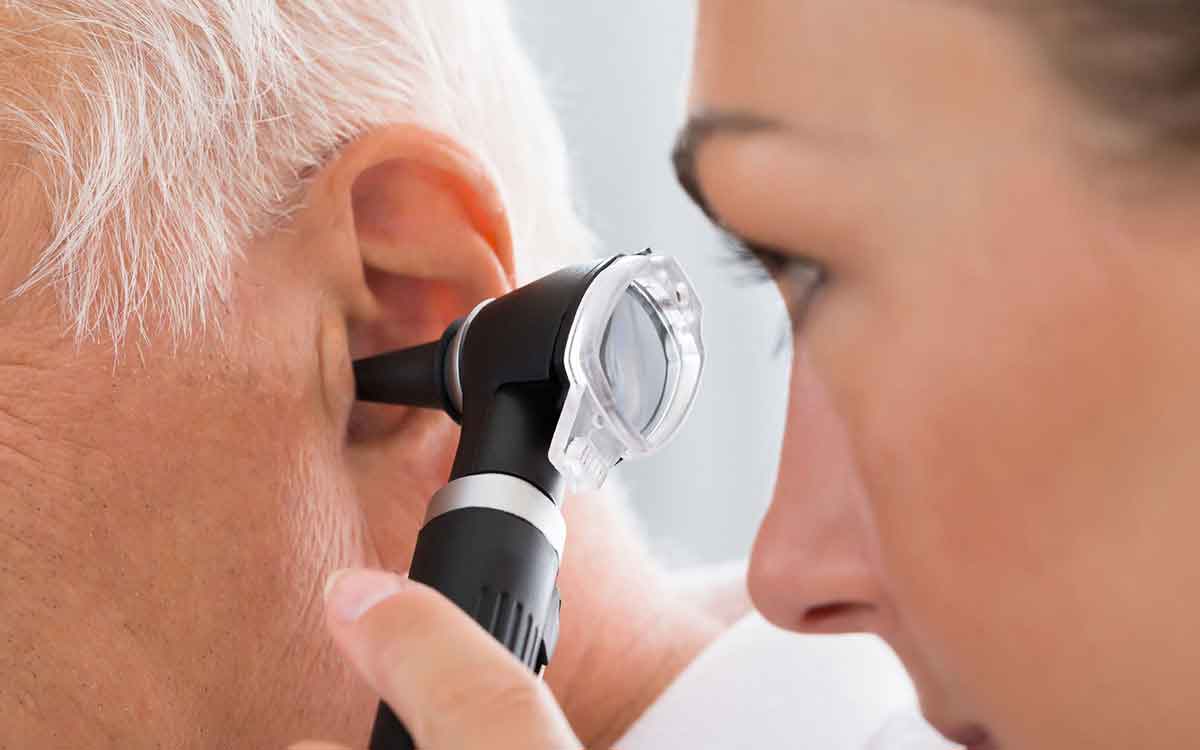
Auditory decline frequently manifests as an incremental process, which often results in the condition being missed during its initial onset. Subconscious adjustments, such as turning up the television or asking for clarification, often mask the early progression of hearing loss.
Nevertheless, acknowledging the early symptoms of auditory impairment is fundamental for effective intervention.
Common Symptoms of Early Hearing Loss
If you identify any of these indicators, we suggest arranging a professional hearing assessment to establish a baseline.
- Impaired speech discrimination during social interactions in loud or crowded environments.
- Frequently requesting others to repeat information.
- Muffled or blurred vocalizations, where words sound blended together.
- Turning up the volume on the TV, phone, or radio to levels that others find excessive.
- Trouble perceiving high-frequency audio, such as children’s voices, birds, or electronic alerts.
- Auditory sensations such as ringing, buzzing, or humming, known as tinnitus.
- Feeling mentally exhausted after social interactions, resulting from the strain of auditory processing.
- Withdrawing from social events as dialogue has become stressful.
Early symptoms are often present in one or both ears and can fluctuate at first. Since the auditory cortex adjusts to input shifts, subconscious adjustments often remain hidden until clinical hearing loss is evident.
Hearing Loss By The Numbers
The World Health Organization reports that the need for hearing support will impact 700 million people by 2050. Other significant statistics involve:
- By 2050, approximately 2.5 billion people are expected to have some degree of hearing loss.
- More than five percent of the global community (roughly 430 million people) requires clinical support to manage disabling hearing loss.
- In excess of 1 billion young adults face the threat of irreversible hearing loss resulting from hazardous acoustic habits.
- Among those over the age of sixty, over 25% have clinically significant hearing loss.
Why Timely Auditory Assessment Matters
Neglecting auditory decline can affect general health and physiological status.
Studies have identified a link between untreated hearing loss and risks involving cognitive decline and mobility issues.
Managing symptoms at the onset allows for more treatment options and improved clinical results.
A clinical screening clarifies if hearing fluctuations are the result of aging, earwax impaction, or different medical factors.
Occasionally, auditory changes are temporary and can be effectively addressed.
Conversely, timely adoption of hearing aid technology or preventative measures can slow progression.
Recognizing the Need for Audiology Services
An audiological visit is suggested if you experience:
- Auditory symptoms remain present for more than a few weeks.
- Difficulty hearing starts to influence work or personal routines.
- You experience sudden hearing loss, vertigo, or chronic ear ringing (this should be evaluated promptly).
Hearing tests are comfortable and noninvasive, plus they provide valuable insight into your auditory wellness.
Contact our professional team today if you believe you could benefit from a hearing evaluation.
Auditory Health FAQ: Initial Symptoms
Question: Is aging the sole cause of hearing impairment?
Answer: Not necessarily. Although presbycusis is prevalent, auditory shifts can stem from noise trauma, ototoxic drugs, or genetic factors.
Question: Is it possible to restore lost hearing?
Answer: Certain etiologies, such as earwax impaction or localized infection, are treatable. Permanent sensorineural hearing loss is typically managed using advanced hearing devices and management protocols.
Q: How often should hearing be checked?
A: Adults should have a baseline hearing test by age 50, or earlier if symptoms or risk factors are present.